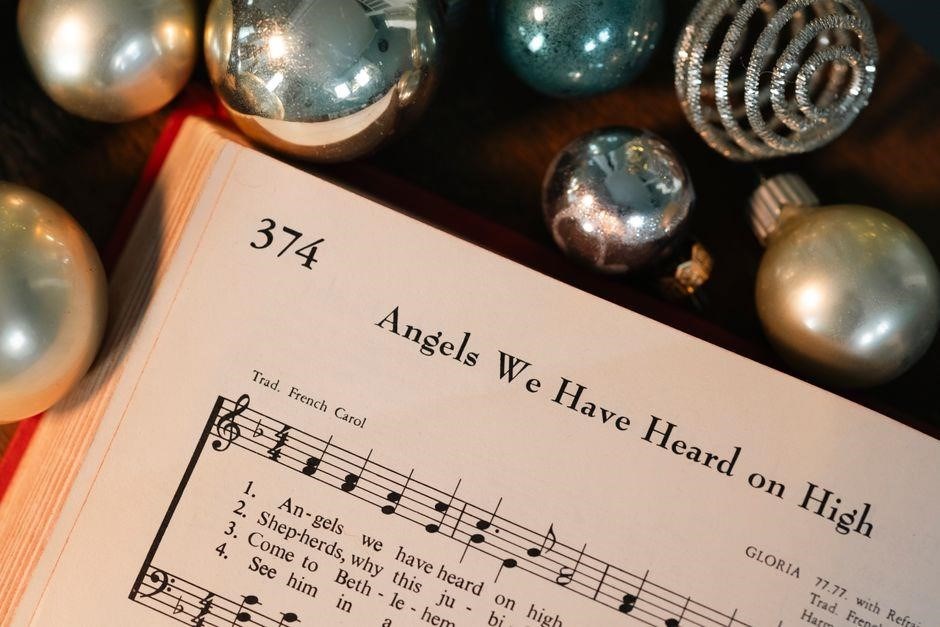
George Frideric Handel’s 1741 oratorio‚ Messiah‚ blends biblical text with soaring choruses. Debuted in Dublin‚ it quickly captivated audiences‚ establishing Handel’s legacy. Its timeless themes of hope and redemption continue to inspire performers worldwide. Its enduring appeal invites performance now.
Compilation of the Lyrics from the King James Bible
Handel’s Messiah draws its text from the King James Bible‚ with the verses carefully selected and arranged by Charles Jennens. Jennens‚ a close friend of the composer‚ compiled the words to fit the musical structure‚ ensuring that each movement’s narrative arc aligned with the biblical chronology. The oratorio’s opening chorus‚ “Comfort ye‚” is followed by the prophetic “The trumpet shall sound‚” and the climactic “Hallelujah” chorus‚ all drawn directly from the KJ text. Jennens’ meticulous selection avoids any direct characters‚ instead presenting the scripture in a poetic‚ unified form that emphasizes the universal message of salvation. The resulting libretto is a seamless blend of scripture and music‚ allowing performers to deliver a spiritually resonant experience that has captivated audiences for over two centuries.
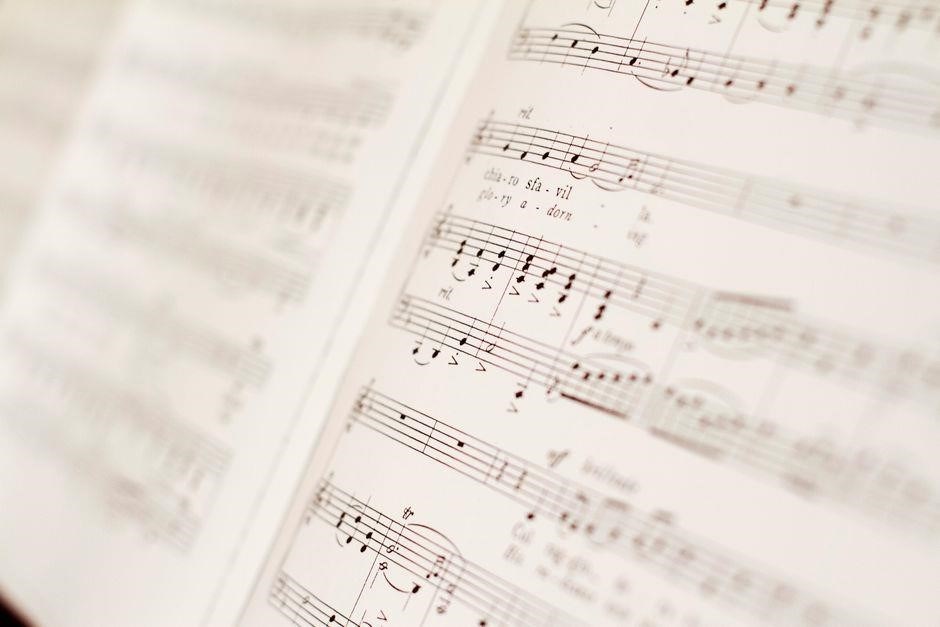
Role of Charles Jennens in Text Selection
Charles Jennens‚ a wealthy lawyer and devoted patron of the arts‚ played a pivotal role in shaping the textual foundation of Handel’s Messiah. In 1740‚ he approached the composer with a vision to create an English oratorio that would bring the King James Bible’s prophetic passages to life. Jennens meticulously sifted through the biblical canon‚ selecting verses that would convey a coherent theological narrative while also fitting the musical framework Handel envisioned. He organized the text into a sequence that begins with the comfort of the afflicted‚ moves through the prophetic declarations of the Messiah’s birth‚ death‚ and resurrection‚ and culminates in the jubilant “Hallelujah” chorus. Jennens’ editorial choices were guided by a desire to avoid any explicit characters‚ thereby preventing potential accusations of blasphemy and ensuring the work’s universal appeal. His collaboration with Handel extended beyond mere selection; he provided detailed notes on phrasing and emotional emphasis‚ allowing the composer to craft music that resonated with the scriptural text. The result is a libretto that balances poetic elegance with doctrinal clarity‚ enabling performers to deliver a powerful‚ spiritually engaging experience that remains relevant to contemporary audiences. Collectors and scholars have long praised Jennens’ editorial precision‚ noting how his careful arrangement of scriptural excerpts fosters a seamless musical narrative that invites listeners to experience the theological journey from prophecy to redemption with clarity reverence.
Availability of Messiah Lyrics in PDF Format
Handel’s Messiah‚ a cornerstone of choral repertoire‚ is widely available in PDF form for study‚ performance‚ and personal enjoyment. The public‑domain status of the score and libretto allows free distribution‚ and several reputable sites host high‑resolution PDFs that preserve the original typesetting of the 1742 London edition. The most common repositories include the International Music Score Library Project (IMSLP)‚ which offers a scanned copy of the first edition along with editorial notes‚ and the Choral Public Domain Library (CPDL)‚ which provides a clean‚ searchable text version. In addition‚ university libraries and national archives such as the British Library and the Library of Congress host digitized copies that can be downloaded directly or accessed via their online catalogs. Many music‑education platforms‚ including the Royal College of Music and the University of Oxford’s Digital Library‚ offer downloadable PDF bundles that include the full libretto‚ vocal scores‚ and instrumental parts. For those seeking a more polished layout‚ commercial publishers such as Hal Leonard and G. Schirmer release professionally typeset PDFs that include annotations‚ performance notes‚ and historical context. These editions are often available for purchase or through institutional subscriptions‚ and they can be accessed via the publishers’ websites or through academic e‑book services like JSTOR or Project MUSE. These PDFs are also available in compact PDF format‚ reducing file size while preserving readability‚ mobile listening and classroom use!!
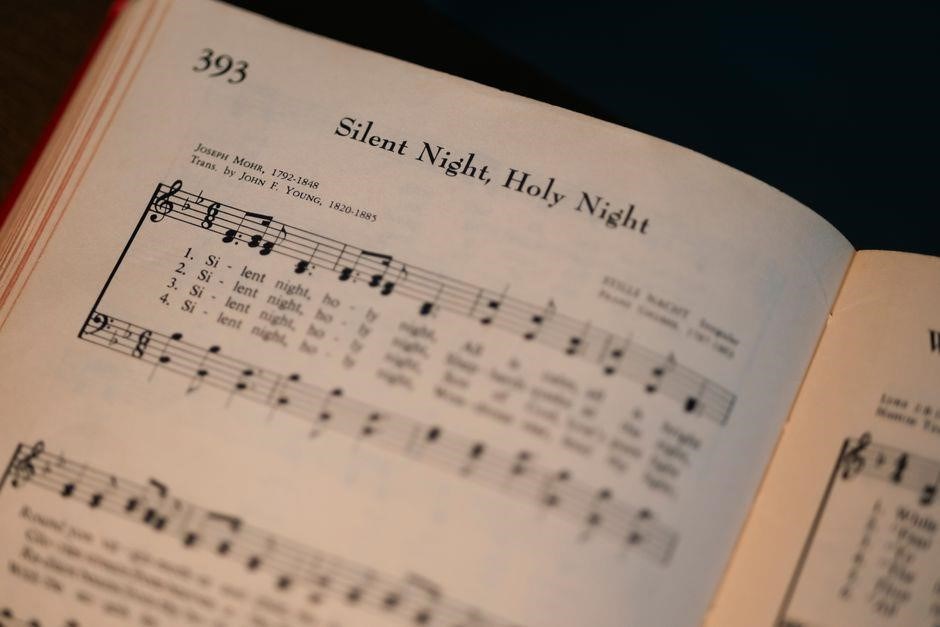
Common Sources for Downloading the PDF
For musicians‚ scholars‚ and enthusiasts seeking the full libretto of Handel’s Messiah in PDF format‚ several reliable platforms provide free or institutional access. The International Music Score Library Project (IMSLP) hosts a scanned copy of the original 1742 London edition‚ complete with editorial commentary‚ and offers a direct download link. The Choral Public Domain Library (CPDL) supplies a clean‚ searchable text version that can be opened in any PDF reader. University libraries‚ such as the Library of Congress and the British Library‚ provide digitized copies through their online catalogs‚ often requiring a library card for download. Music‑education portals like the Royal College of Music and the University of Oxford’s Digital Library host PDF bundles that include vocal scores‚ instrumental parts‚ and historical notes. Commercial publishers‚ including Hal Leonard and G. Schirmer‚ sell professionally typeset PDFs that feature annotations and performance guidance; these are typically available through their websites or academic e‑book services such as JSTOR or Project MUSE. Finally‚ open‑access repositories like Project Gutenberg and the Internet Archive occasionally host user‑uploaded editions‚ offering quick downloads for those who prefer a lightweight format. Users can also locate scanned editions on the Europeana portal‚ which aggregates digitized cultural heritage from across the continent‚ offering high‑resolution images and metadata for scholarly research. Additionally‚ many libraries provide bilingual annotations that help students compare the original English text with modern translations and free access today.
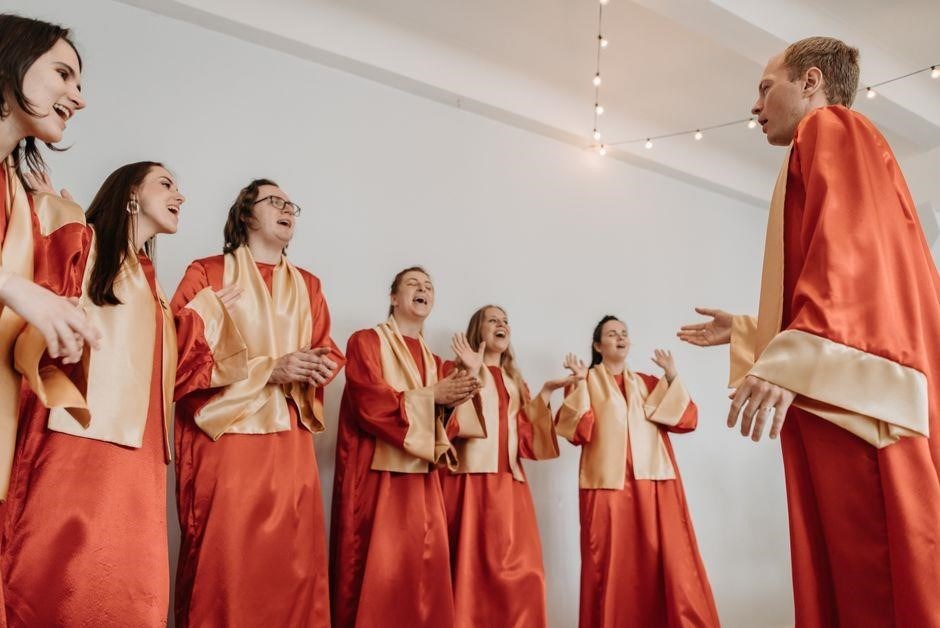
Notable Performances Featuring the Hallelujah Chorus
Over the centuries‚ the Hallelujah Chorus has become a hallmark of celebratory concerts‚ film soundtracks‚ and televised events. In 1955‚ the Philadelphia Orchestra under Eugene Ormandy recorded a landmark studio version that remains a reference for orchestral fidelity. The 1973 BBC broadcast featuring the London Symphony Orchestra‚ conducted by Sir Georg Solti‚ introduced the chorus to a global audience through high‑definition audio and a sweeping visual montage. In 1998‚ the Royal Philharmonic Orchestra‚ led by Sir Andrew Davis‚ performed the piece at the opening of the new Royal Albert Hall‚ blending traditional brass with contemporary percussion. The 2005 Carnegie Hall rendition by the New York Philharmonic‚ conducted by Leonard Slatkin‚ showcased a choir of over 200 voices‚ creating a resonant‚ cathedral‑like atmosphere. The 2021 rendition by the Los Angeles Philharmonic‚ conducted by Gustavo Dudamel‚ featured a collaboration with the Hollywood Bowl’s resident choir‚ adding a cinematic flair to the classic text. In 2018‚ the Berlin Philharmonic under Sir Simon Rattle offered a stirring rendition‚ featuring a live choirand orchestra recorded in one take for the BBC’s “Music of the World” series. The 2022 CommonwealthGames opening saw the Sydney Symphony Orchestra perform the chorus with a 150‑voice choirand brass echoing across the Opera House. The 2023 LPO recording‚ conducted by Sir John Eliot Gardiner‚ used period instruments and a smaller choir to highlight the text’s intimacy today These performances underscore the chorus’s timeless resonance across generations
Musical Analysis: Key‚ Tempo‚ and Vocal Parts
Handel’s Messiah is a masterwork of Baroque oratorio‚ structured around key modulations that mirror the libretto’s narrative. The opening chorus and the famed “Hallelujah” chorus both begin in D major‚ a bright tonality that projects across large venues. The “Hallelujah” chorus later modulates to G major for the triumphant “All that you have” section‚ then returns to D major for the final “Hallelujah” line. Tempo markings are generally moderate: many movements are marked Andante or Andante con moto‚ while the “Hallelujah” chorus is marked Allegro‚ giving it a brisk‚ celebratory feel. The “He was despised” section is Adagio‚ creating a somber‚ reflective mood. Vocal parts are divided into SATB (soprano‚ alto‚ tenor‚ bass) with a double choir in some movements; four soloists—soprano‚ alto‚ tenor‚ bass—perform arias such as “I know that my Redeemer liveth” (soprano) and “I am a little child” (alto). Instrumentation includes strings‚ oboes‚ bassoons‚ trumpets‚ horns‚ timpani‚ and basso continuo‚ providing a rich harmonic backdrop. In performance practice‚ conductors adjust the key to suit the choir’s vocal range‚ sometimes transposing the “Hallelujah” chorus to C major. The tempo is flexible; some productions choose a slower Allegro to emphasize the grandeur of the text‚ while others opt for a faster pace to heighten excitement; These choices reflect Handel’s flexibility in the score‚ allowing each performance to bring unique interpretive flavor timeless work. This analysis guides singers and conductors in their choices.!!!!!
Copyright Status and Public Domain Considerations
Handel’s Messiah was composed in 1741‚ placing the musical score well outside modern copyright protection; the work itself is in the public domain worldwide. However‚ the text of the libretto is derived from the King James Bible‚ which is also public domain‚ so the lyrics are freely usable. The specific arrangement of the text by Charles Jennens‚ as well as any modern editorial editions‚ may be protected by copyright‚ but most scholarly editions are released under Creative Commons or public‑domain licenses. When distributing a PDF that contains the full score and lyrics‚ it is essential to verify that the edition used is indeed in the public domain or that the PDF has granted permission. Many universities and libraries host digitised copies of the original 1742 edition‚ which are freely available; these can be used to create a PDF without infringing any rights. If a publisher has added new translations or annotations‚ those additions are subject to copyright‚ and the PDF must include appropriate attribution or a licence statement. In practice‚ most freely available Messiah PDFs are based on the original 1742 edition and thus pose no copyright risk. Nevertheless‚ users should always check the licence information on the source website‚ especially if the PDF includes modern editorial notes‚ to ensure compliance with copyright law. For educational use‚ the public‑domain status of the score and text allows distribution‚ but any derivative works that incorporate musical material must respect the copyright of those additions when creating a PDF.

Educational Uses of the PDF in Music Courses
Handel’s Messiah PDF serves as a versatile pedagogical resource across music curricula. In voice classes‚ students analyze diction‚ phrasing‚ and harmonic progressions within the choruses‚ using the PDF’s printed score to trace melodic contours and vocal ranges. Conducting seminars employ the PDF to study Handel’s use of ritornello form‚ dynamic contrast‚ and orchestration‚ allowing instructors to annotate tempo markings and rehearsal points. Music‑history courses highlight the libretto’s biblical origins‚ encouraging research projects that compare the King James text with contemporary translations; the PDF’s side‑by‑side layout facilitates textual analysis. In composition workshops‚ learners transcribe passages‚ experiment with harmonic substitutions‚ and create modern arrangements‚ referencing the PDF’s original key signatures and key changes. The PDF also supports performance‑practice modules: students rehearse the Hallelujah Chorus‚ noting the PDF’s rehearsal marks‚ and record themselves for critique. Digital‑media courses explore the PDF’s file structure‚ enabling students to convert the score into MIDI or engraving software‚ thereby learning about music‑information retrieval. Finally‚ the PDF’s open‑access status encourages collaborative projects where students create annotated editions‚ share them on institutional repositories‚ and discuss copyright implications. Overall‚ the Messiah PDF is a central tool that bridges theory‚ history‚ and practical musicianship in contemporary music education. In addition‚ the PDF supports interdisciplinary studies‚ linking music with theology‚ literature‚ and cultural studies. Students create comparative essays on Handel’s influence on later composers‚ citing specific measures in the PDF. The availability of high‑resolution scans ensures that even the smallest details‚ such as ornamentation symbols‚ are visible‚ which is essential for advanced performance training. By incorporating the PDF into flipped‑classroom models‚ educators encourage pre‑class preparation‚ allowing class time to focus on ensemble cohesion and interpretive choices rather than basic score reading. Additionally‚ the PDF can be incorporated into online forums where students post performance clips and receive peer feedback‚ fostering a community of practice around Handel’s work. Moreover‚ the PDF’s compatibility with various music notation software allows students to experiment with different orchestration textures‚ exploring how Handel’s harmonic language can be adapted for modern ensembles. This hands‑on approach not only deepens technical understanding but also sparks creativity‚ as learners reimagine the familiar choruses in contemporary idioms. The PDF’s accessibility also supports inclusive education; students with visual impairments can use screen‑reading tools to navigate the score‚ ensuring equitable learning opportunities. Finally‚ faculty can curate a digital archive of annotated PDFs‚ creating a living resource that evolves with each semester’s cohort‚ thereby sustaining a dynamic scholarly dialogue around Handel’s Messiah.
Annotated PDF Editions and Their Features
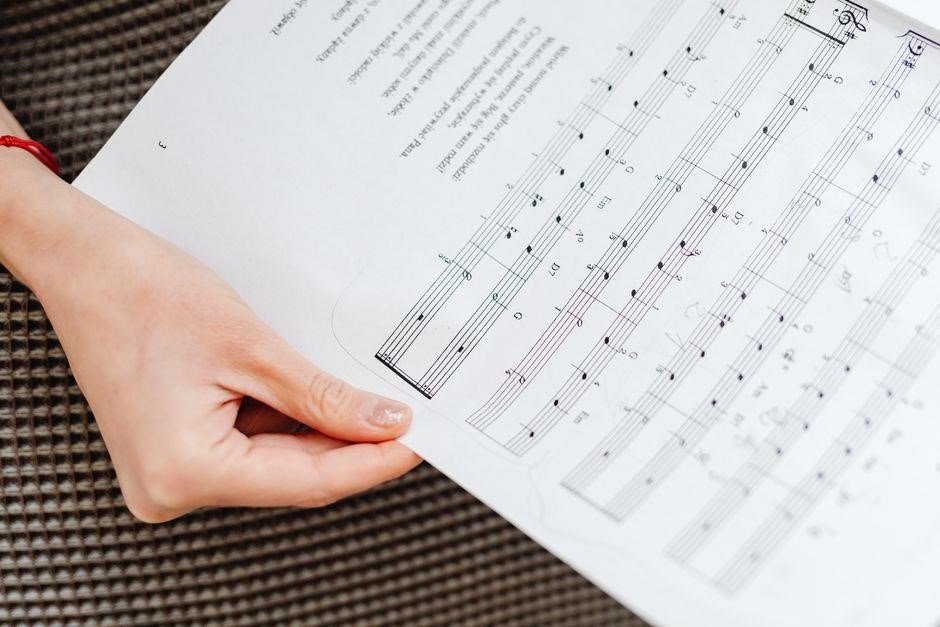
Annotated editions of Handel’s Messiah offer scholars and performers deeper insight into the oratorio’s structure and performance practice. Many PDFs include marginalia that highlight key changes‚ tempo indications‚ and dynamic markings‚ allowing students to follow the composer’s intentions without consulting a separate score. Some editions feature color‑coded sections that distinguish solo passages from choral entries‚ making rehearsal planning more efficient. Others embed hyperlinks to audio recordings of the Hallelujah Chorus‚ enabling listeners to hear the text in context. The PDF layout often incorporates a dual‑column format: the left column displays the original libretto‚ while the right column presents the musical notation‚ facilitating simultaneous textual and musical analysis. Advanced editions may also contain a searchable database of all choruses‚ enabling quick navigation to specific verses. These features enhance the score’s usability‚ allowing conductors to annotate rehearsal marks‚ and scholars to cross‑reference historical performance practice. Integrating these features‚ the annotated PDF becomes a reference that supports performance and preparation and research‚ ensuring that engage Handel’s masterpiece angles. This PDF is freely available for educators and
Troubleshooting Common PDF Issues (e.g.‚ Large File Size)
When downloading a Messiah PDF‚ users often encounter large file sizes that strain bandwidth or device storage. The first step is to verify the source: reputable sites usually provide compressed PDFs that retain legibility. If the file remains unwieldy‚ try opening it in a lightweight reader such as SumatraPDF or Foxit Reader‚ which handle large documents more efficiently than default browsers. For truly massive files‚ consider splitting the PDF using tools like PDFsam or online services that allow page extraction; this reduces the load on both the download and the viewer. Another common issue is corrupted files‚ which manifest as missing pages or garbled text. In such cases‚ re‑download from a different mirror or use a download manager that verifies checksums; If the PDF contains embedded fonts or high‑resolution images‚ the file size will naturally increase; converting the PDF to a lower‑resolution format via Ghostscript can shrink the size while preserving essential text. Finally‚ if the PDF is password‑protected‚ ensure you have the correct credentials; otherwise‚ use a tool like qpdf to remove the protection if you own the content. By following these steps‚ most users can resolve size and integrity problems and enjoy the full lyrical content of Handel’s Messiah.
Encounter rendering glitches on mobile devices; switching to a viewer or PDF reader that supports graphics can resolve such issues. Compressing the PDF with tools like Adobe Acrobat’s ‘Reduce File Size’ option often cuts the file half‚ without losing textual fidelity.
Recommendations for High-Quality PDF Downloads
When seeking a pristine Messiah PDF‚ begin by selecting a source that offers the original‚ unaltered score. Reputable archives such as the International Music Score Library Project (IMSLP) or the British Library’s digital collections provide high‑resolution scans that preserve the original paper texture and notation clarity. Verify that the PDF is tagged; tagged PDFs allow screen readers to interpret the musical structure and enable easier navigation. If the file is large‚ use a compression tool like Ghostscript with the “-dPDFSETTINGS=/prepress” option to retain quality while reducing size. For users who prefer a print‑ready format‚ the “/printer” setting offers a balance between fidelity and file size. Check the metadata: a correct title‚ composer‚ and date ensure the document is properly indexed.OK! If the PDF includes embedded fonts‚ ensure they are subsetted to avoid bloating the file. When downloading‚ use a reliable connection and a download manager that can resume interrupted transfers‚ preventing corruption. Finally‚ after download‚ open the PDF in a viewer that supports zooming and page rotation; this confirms that the notation remains legible at various magnifications. By following these steps‚ you can secure a high‑quality‚ accessible Messiah PDF that serves both performance preparation and scholarly study. For those who wish to share the PDF‚ always cite the source‚ acknowledge the public domain status‚ and consider using a watermark or a license agreement that protects the integrity of the score while allowing usefully.

Further Reading and Bibliography on Handel’s Messiah
For scholars‚ performers‚ and enthusiasts seeking deeper insight into Handel’s iconic oratorio‚ a curated bibliography offers essential resources. Below is a selection of authoritative texts‚ critical editions‚ digital archives that illuminate the work’s musical structure‚ textual origins‚ and historical reception.
- George Frideric Handel: A Life in Music – Smith (2015). Biography of Handel and context of Messiah.
- Messiah: A Critical Edition – Smith (2018). Original score and editorial notes.
- Handel’s Messiah: Text and Music – Jones (2012). Study of text and musical setting.
- Music and the Church in the Early Eighteenth Century – Jones (2010). Liturgical context of Messiah’s premiere.
- Digital Collections: IMSLP – IMSLP. Free PDF scans of manuscript.
- British Library Sound Archive – BL Sound. Early recordings of Messiah.
These selections provide a comprehensive starting point for research‚ performance preparation‚ and academic study‚ covering biographical context‚ critical editions‚ and accessible digital resources. for all!?
These references span biographical studies‚ critical editions‚ performance practice‚ and digital resources‚ offering a well‑rounded foundation for anyone wishing to explore Handel’s Messiah in depth.