
Managing blood pressure starts with a reliable record. A PDF chart lets patients log daily readings, dates, and notes, ensuring accurate data for doctors. It supports consistent tracking, helps spot trends, and aids in timely treatment adjustments. Patients can share the PDF with their doctor for review

Importance of Recording Blood Pressure
Keeping a precise record of blood pressure is essential for patients clinicians. A PDF chart provides a structured, portable format that can be printed, filled out at home, and shared electronically with a healthcare provider. By logging each reading along with the time of day, medication status, and any symptoms, patients create a comprehensive picture that helps doctors identify patterns, assess treatment effectiveness, and adjust therapy when needed. Consistent documentation also supports early detection of hypertension or hypotension, reducing the risk of complications such as heart attack, stroke, or kidney damage. Moreover, a well‑maintained record encourages patient engagement, promotes adherence to lifestyle changes, and facilitates communication during appointments. The use of a standardized PDF log ensures that data are captured uniformly, reducing errors and making it easier for clinicians to interpret trends over weeks or months. In short, a blood‑pressure record chart PDF is a simple yet powerful tool that empowers patients to take an active role in managing their cardiovascular health while providing clinicians with reliable, actionable information. Regular entries daily time also help detect white‑coat hypertension, ensuring treatment plans are based on true home readings rather than clinic spikes Patients who consistently log their numbers feel more in control, improving adherence to diet, exercise, medication schedules. It aids shared decisions during visits for now!
By downloading these PDFs, patients can customize the layout to fit their personal preferences, such as adding columns for medication changes or exercise notes. The ability to print the sheet on standard paper ensures that even those without digital devices can maintain a consistent record. Once filled, the PDF can be saved as a PDF file and emailed to a healthcare provider, allowing clinicians to review trends before the next visit. Daily logs keep health.! Regular documentation helps patients recognize subtle changes that may indicate the onset of hypertension or the need for medication adjustments, often before symptoms appear. When patients maintain a meticulous log, they empower themselves to engage in shared decision‑making with their clinician, fostering a partnership that can lead to more personalized care plans; Moreover, a consistent record can serve as a valuable historical archive, allowing clinicians to compare current readings with past trends and evaluate the long‑term effectiveness of lifestyle interventions such as diet, exercise, or stress management. Patients who diligently record their readings are more likely to notice early warning signs, such as a sudden rise in systolic pressure or a persistent drop in diastolic values, and can seek timely medical advice. Additionally, a detailed log can aid in detecting non‑pharmacological factors that influence blood pressure, such as caffeine intake, sleep quality, or emotional stress, enabling patients to make targeted lifestyle adjustments. In addition, many health‑tech platforms now allow patients to sync their home readings directly to electronic health records, ensuring that clinicians have real‑time data during telehealth visits and can adjust treatment plans on the fly. By consistently reviewing these logs, patients can spot patterns linked to medication timing, diet, or stress, and discuss adjustments with their provider to fine‑tune treatment. It boosts adherence and health daily.

How to Use a Blood Pressure Log PDF
Begin by printing the PDF from a trusted source such as the American Heart Association or a local health organization. Fill in your personal details at the top—name, date of birth, and target blood pressure—so the sheet is uniquely yours. Each day, record the date and the exact time of the reading in the designated columns. Use the cuff at heart level, sit quietly for five minutes, and avoid talking during measurement. After the reading, note any relevant circumstances (e.g., “stressful morning” or “after exercise”) in the free‑text area. When you have several days of data, review the trend line or calculate the average to spot patterns. If your readings consistently exceed your target, flag this for discussion with your clinician. Keep the filled PDF in a secure folder or cloud storage so you can easily attach it to your next appointment or share it electronically. Remember to update the log daily; missing entries can obscure true blood‑pressure trends. By following this routine, you maintain a reliable record that supports proactive health management.
Before each measurement, ensure your cuff is sized and positioned on the upper arm. If you use a digital monitor, verify it is calibrated for accuracy. Record the time of any medication taken that could influence the reading, and note whether you have eaten or exercised. Consistent timing—such as measuring in the morning and evening—helps compare values across days. If you notice a sudden spike, double‑check that the cuff is snug and that you are seated correctly. For patients who experience anxiety, a brief breathing exercise before measurement can reduce stress‑related elevations. After filling out the log, review it with your healthcare provider to adjust lifestyle or medication plans.

Key Features of a Good Blood Pressure Log PDF
When selecting a blood‑pressure log, look for a clear, printable layout that separates personal data, daily entries, and summary sections. A robust template includes columns for date, time, systolic and diastolic values, heart rate, and a brief notes field for context such as medication timing or stressors. The design should allow for at least a week’s worth of entries per page, with a dedicated space for calculating averages or trend lines. Color‑coded rows or shaded headers help distinguish morning and evening measurements. A built‑in reminder section for target blood‑pressure goals encourages goal‑setting. The PDF must be editable—fields should accept typed data or be fillable—so you can keep a digital copy that syncs with cloud storage. Compatibility with common PDF readers and the ability to export to CSV or Excel makes data sharing with healthcare providers effortless. Finally, the sheet should be compliant with privacy standards, ensuring that personal identifiers are protected when shared electronically.
Key features also include a summary section that calculates average systolic and diastolic values, a trend line graphic, and a quick alert system that flags readings above target. The layout should be printable on A4 paper and include a header with your name, age, and the date of the last update. A dedicated space for notes lets you record medication changes or exercise that may influence readings. The PDF must be compatible with Windows and macOS viewers and allow exporting to CSV for spreadsheet analysis!!!
Example Templates
The examples reflect best practices for clarity, ease of use, and data sharing with clinicians.
- American Heart Association Log – The AHA’s “My Blood Pressure Log” PDF offers a clean, column‑based layout with fields for name, DOB, target pressure, and a table for date, time, systolic, diastolic, heart rate, and notes. A summary section calculates averages and displays a simple trend line. The design is A4‑ready, printable, and exportable to spreadsheet analysis.
- MyPrivia Daily Log – This PDF focuses on daily entries, listing date, time, blood pressure, and a brief notes column. It includes a target pressure field and a summary page that aggregates weekly averages. The file is fillable, allowing typed entries before printing, and is optimized for quick, accurate home monitoring. The log features a reminder to measure and exercise, consistency.
- Hypertension Australia Infographic Log – The Australian Heart Foundation offers a printable log that accompanies an infographic. It includes sections for pre‑meal and post‑meal readings, medication timing, and lifestyle notes. The layout uses color coding to differentiate morning and evening measurements and includes a printable summary that be attached medical appointment.

How to Print and Fill Out a Blood Pressure Log PDF
Follow these steps to ensure accurate, legible records that can be shared with your healthcare provider.
- Download the PDF – Locate a reputable source such as the American Heart Association or a local health organization. Click the link, then select “Save as” to store the file on your computer or mobile device.
- Open the PDF – Use a PDF viewer that supports form fields (Adobe Acrobat Reader, Foxit, or the built‑in viewer on most browsers); If the document is not fillable, print it first and write by hand.
- Print the document – Choose a high‑resolution printer setting. Use plain white paper or a light‑colored sheet to improve contrast. Ensure the page size matches the PDF (A4 or Letter). Verify that the entire form prints on a single sheet.
- Fill in personal details – Write your name, date of birth, and target blood pressure in the designated boxes. Use a blue or black pen for clarity.
- Record each reading – At the scheduled times, enter the date, time, systolic and diastolic values, heart rate, and any relevant notes (e.g;, medication taken, stress level). Keep the entries consistent: use the same units (mmHg) and format (e.g., 120/80).
- Calculate averages – Many templates include a summary section. Manually compute the average systolic, diastolic, and heart rate for the week or month, and write the results in the provided fields.
- Review and double‑check – Scan the completed form for typos or missing data. A clear record reduces the risk of misinterpretation during a medical visit.
- Store and share – Keep a digital copy in a secure folder and bring a printed version to appointments. If using a fillable PDF, save the completed file and email it to your clinician or upload it to a patient portal.
By following these steps, you create a reliable, professional log that supports effective blood pressure management.

Digital Alternatives to PDF Log Sheets
Digital tools have replaced many paper logs, offering instant data capture and analysis. Smartphone apps sync with validated cuff devices, storing readings in the cloud and generating trend graphs, alerts, and export options. Web dashboards let patients view history, set reminders, and share data with clinicians via secure portals. Spreadsheet templates (Google Sheets, Excel) can mimic paper layouts, with formulas that auto‑calculate averages and flag high values. Wearable devices now provide intermittent blood‑pressure readings, feeding companion apps that compile comprehensive summaries. When selecting a digital solution, verify device validation (e.g., AAMI) and ensure the app meets privacy standards such as HIPAA or GDPR. Digital alternatives streamline record keeping, reduce errors, and empower patients to actively manage their health.
These digital solutions also support integration with wearable fitness trackers, allowing users to correlate blood‑pressure trends with activity levels, sleep quality, and stress markers. Many apps provide educational modules that explain the significance of systolic and diastolic values, the impact of lifestyle changes, and strategies for medication adherence. Users can set personalized goals and receive motivational prompts when progress is made. Because data is stored electronically, it can be easily backed up and restored, reducing the risk of loss due to misplacement or damage. Ultimately, embracing a digital log promotes proactive health management and fosters a collaborative partnership between patients and providers foroptimal outcomes
Tips for Accurate Blood Pressure Measurement
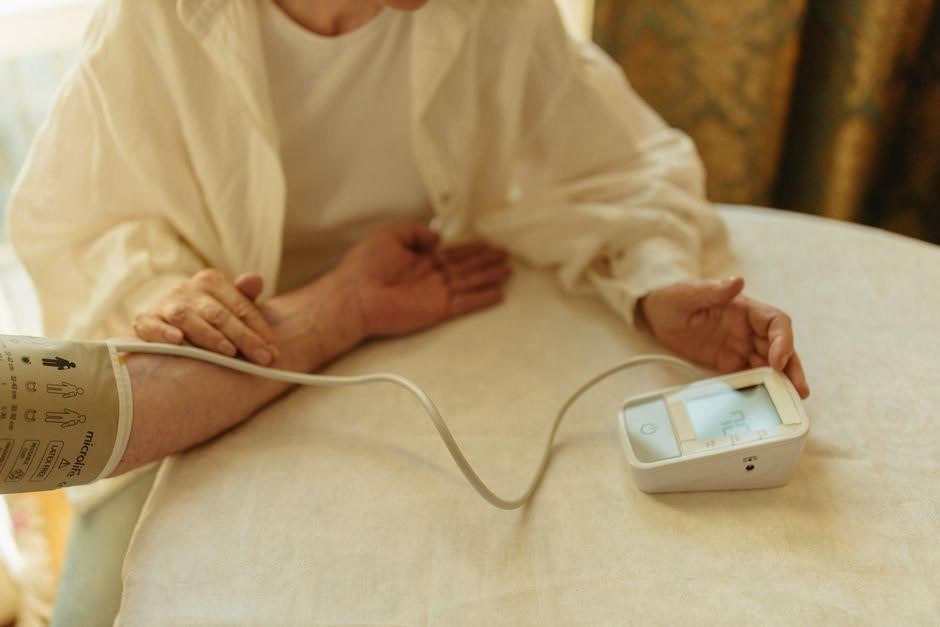
Before you begin, ensure your cuff is the correct size and fits snugly on the upper arm. The cuff’s bladder should cover about 80% of the arm circumference. Position yourself in a quiet room, sit upright with feet flat on the floor, and rest the arm on a table so the cuff sits at heart level. Avoid crossing legs or resting your arm on a hard surface, as this can raise readings.
Take a few deep breaths and remain still for at least five minutes before measuring. Keep your back supported and avoid talking during the reading. If you have recently eaten, exercised, or consumed caffeine or nicotine, wait at least 30 minutes before measuring, as these factors can temporarily elevate blood pressure.
Use a validated, calibrated device that meets AAMI or ISO standards. If you are using a wrist or finger monitor, be aware that these are less reliable; cuff‑based measurements remain the gold standard. Record the date, time, and any circumstances that might affect the reading, such as stress or medication intake.
Repeat the measurement twice, spaced one minute apart, and record both values. If the readings differ by more than 5 mmHg, take a third measurement and use the average of the two most consistent readings. Consistency in technique ensures that your log reflects true physiological changes rather than measurement error.
Remember to keep a log of any medication changes, dietary adjustments, as these can influence blood pressure. Reviewing these factors alongside readings helps identify patterns and informs treatment daily regularly decisions.

Common Mistakes to Avoid When Recording Blood Pressure
Even with a simple PDF log, errors can creep in and distort the picture your doctor sees. The most common pitfalls start with the cuff. Using a cuff that is too small or too large, or placing it too high or too low on the arm, can give readings that are 10–15 mmHg off. The cuff must sit at heart level; a cuff that hangs below the heart will over‑estimate systolic pressure, while one above will underestimate it. Measuring while the arm is unsupported or resting on a hard surface can raise the reading by several millimeters. Skipping the five‑minute rest period before taking a measurement, especially when rushing to the next appointment, leads to artificially high values. Timing is critical: measuring immediately after eating, exercising, or smoking can spike the reading; the same holds for caffeine or alcohol intake. Recording the time of day without noting these factors can mislead interpretation. Skipping the second reading or averaging two values that differ by more than five mmHg can mask true hypertension. Finally, the PDF itself can be misused: some people print the form and fill it in with a pen, then lose the file, or fail to keep the log organized so that dates and times become jumbled. This makes it difficult for clinicians to spot trends or assess the impact of medication changes. Avoiding these mistakes ensures that the data you provide is reliable, actionable, and truly reflective of your cardiovascular health now.

Frequency of Recording Blood Pressure Readings
Consistent timing is key to a meaningful blood‑pressure log. For most adults, the American Heart Association recommends taking two readings at the same time each day—once in the morning before breakfast and once in the evening before bed—over a two‑week period. This establishes a baseline that captures normal daily variation. If your doctor detects a pattern, you may reduce the frequency to twice a week or once a month, but the initial two‑week block should always be completed. When using a PDF chart, record the exact date and time for each entry, and note any factors that could influence the result, such as recent meals, caffeine, exercise, or stress. When you are on a medication adjustment, add a new column in the PDF to mark the dose change. For patients with unstable hypertension or those who experience sudden spikes, a daily log is advised, with measurements taken at three intervals: morning, midday, and evening. After the first month, you can transition to a weekly log, entering the average of the daily readings. This gradual shift keeps the data manageable while still allowing your clinician to track trends. Remember to keep the PDF file backed up digitally and to print a copy for each clinic visit, ensuring the clinician can review the entire record without confusion. Additionally, if you notice a sudden change in your readings, record the circumstances and notify your provider promptly; this helps differentiate between true hypertension and transient spikes.!

Sharing Blood Pressure Records with Healthcare Providers
When you bring a PDF log to a medical visit, the clinician can quickly scan trends and compare them to target values. The PDF should include the patient’s name, date of birth, and the date range covered. Each row should list the date, time, systolic and diastolic values, heart rate, and a brief note on conditions such as stress or medication changes. Before the appointment, save the PDF to a USB drive or upload it to a secure portal if your practice offers e‑health services. At the visit, ask the provider to review the entire file; this eliminates the need for handwritten notes and reduces transcription errors. If the doctor recommends a medication adjustment, the PDF can be updated in real time—add a new column for the dosage and record the next reading. For patients on home monitoring programs, some clinics use a shared cloud folder; the PDF can be stored in a protected folder with read‑only access for the provider. Always verify that the PDF is password‑protected if it contains sensitive data. After the appointment, keep a copy of the signed chart in your personal health record. This practice ensures continuity of care and supports accurate follow‑up.
Patients should review their log weekly, noting any patterns or outliers, and discuss them with their clinician to adjust lifestyle or medication. A well‑maintained record improves treatment outcomes and empowers patients to take an active role in managing their cardiovascular health. Keeping a log helps patients spot patterns, gauge medication effects, and work doctors.!
Keeping a log helps patients spot patterns, gauge medication effects, and work doctors.!
Keeping a log helps patients spot patterns, gauge medication effects, and work doctors.!
Keeping a log helps patients spot patterns, gauge medication effects, and work doctors.!
Keeping a log helps patients spot patterns, gauge medication effects, and work doctors.!
Keeping a log helps patients spot patterns, gauge medication effects, and work doctors.!
Keeping a log helps patients spot patterns, gauge medication effects, and work doctors.!
Keeping a log helps patients spot patterns, gauge medication effects, and work doctors.!
Keeping a log helps patients spot patterns, gauge medication effects, and work doctors.!
Keeping a log helps patients spot patterns, gauge medication effects, and work doctors.!
Keeping a log helps patients spot patterns, gauge medication effects, and work doctors.!
Keeping a log helps patients spot patterns, gauge medication effects, and work doctors.!
Keeping a log helps patients spot patterns, gauge medication effects, and work doctors.!
Keeping a log helps patients spot patterns, gauge medication effects, and work doctors.!
Keeping a log helps patients spot patterns, gauge medication effects, and work doctors.!
Keeping a log helps patients spot patterns, gauge medication effects, and work doctors.!
Keeping a log helps patients spot patterns, gauge medication effects, and work doctors.!
Keeping a log helps patients spot patterns, gauge medication effects, and work doctors.!
Keeping a log helps patients spot patterns, gauge medication effects, and work doctors.!
Keeping a log helps patients spot patterns, gauge medication effects, and work doctors.!
Keeping a log helps patients spot patterns, gauge medication effects, and work doctors.!
Keeping a log helps patients spot patterns, gauge medication effects, and work doctors.!
Keeping a log helps patients spot patterns, gauge medication effects, and work doctors.!
Keeping a log helps patients spot patterns, gauge medication effects, and work doctors.!
Keeping a log helps patients spot patterns, gauge medication effects, and work doctors.!
Keeping a log helps patients spot patterns, gauge medication effects, and work doctors.!
Keeping a log helps patients spot patterns, gauge medication effects, and work doctors.!
Keeping a log helps patients spot patterns, gauge medication effects, and work doctors.!
Keeping a log helps patients spot patterns, gauge medication effects, and work doctors.!
Keeping a log helps patients spot patterns, gauge medication effects, and work doctors.!
Keeping a log helps patients spot patterns, gauge medication effects, and work doctors.!
Keeping a log helps patients spot patterns, gauge medication effects, and work doctors.!
Keeping a log helps patients spot patterns, gauge medication effects, and work doctors.!
Keeping a log helps patients spot patterns, gauge medication effects, and work doctors.!
Keeping a log helps patients spot patterns, gauge medication effects, and work doctors.!
Keeping a log helps patients spot patterns, gauge medication effects, and work doctors.!
Keeping a log helps patients spot patterns, gauge medication effects, and work doctors.!
Keeping a log helps patients spot patterns, gauge medication effects, and work doctors.!
Keeping a log helps patients spot patterns, gauge medication effects, and work doctors.!
Keeping a log helps patients spot patterns, gauge medication effects, and work doctors.!
Keeping a log helps patients spot patterns, gauge medication effects, and work doctors.!
Keeping a log helps patients spot patterns, gauge medication effects, and work doctors.!
Keeping a log helps patients spot patterns, gauge medication effects, and work doctors.!
Keeping a log helps patients spot patterns, gauge medication effects, and work doctors.!
Keeping a log helps patients spot patterns, gauge medication effects, and work doctors.!
Keeping a log helps patients spot patterns, gauge medication effects, and work doctors.!
Keeping a log helps patients spot patterns, gauge medication effects, and work doctors.!
Keeping a log helps patients spot patterns, gauge medication effects, and work doctors.!
Keeping a log helps patients spot patterns, gauge medication effects, and work doctors.!
Keeping a log helps patients spot patterns, gauge medication effects, and work doctors.!
Keeping a log helps patients spot patterns, gauge medication effects, and work doctors.!
Keeping a log helps patients spot patterns, gauge medication effects, and work doctors.!
Keeping a log helps patients spot patterns, gauge medication effects, and work doctors.!
Keeping a log helps patients spot patterns, gauge medication effects, and work doctors.!
Keeping a log helps patients spot patterns, gauge medication effects, and work doctors.!
Keeping a log helps patients spot patterns, gauge medication effects, and work doctors;!
Keeping a log helps patients spot patterns, gauge medication effects, and work doctors.!
Keeping a log helps patients spot patterns, gauge medication effects, and work doctors.!
Keeping a log helps patients spot patterns, gauge medication effects, and work doctors.!
Keeping a log helps patients spot patterns, gauge medication effects, and work doctors.!
Keeping a log helps patients spot patterns, gauge medication effects, and work doctors.!
Keeping a log helps patients spot patterns, gauge medication effects, and work doctors.!
Keeping a log helps patients spot patterns, gauge medication effects, and work doctors.!
Keeping a log helps patients spot patterns, gauge medication effects, and work doctors.!
Keeping a log helps patients spot patterns, gauge medication effects, and work doctors.!
Keeping a log helps patients spot patterns, gauge medication effects, and work doctors.!
Keeping a log helps patients spot patterns, gauge medication effects, and work doctors.!
Keeping a log helps patients spot patterns, gauge medication effects, and work doctors.!
Keeping a log helps patients spot patterns, gauge medication effects, and work doctors.!
Keeping a log helps patients spot patterns, gauge medication effects, and work doctors.!
Keeping a log helps patients spot patterns, gauge medication effects, and work doctors.!
Keeping a log helps patients spot patterns, gauge medication effects, and work doctors.!
Keeping a log helps patients spot patterns, gauge medication effects, and work doctors.!
Keeping a log helps patients spot patterns, gauge medication effects, and work doctors.!
Keeping a log helps patients spot patterns, gauge medication effects, and work doctors.!
Keeping a log helps patients spot patterns, gauge medication effects, and work doctors.!
Keeping a log helps patients spot patterns, gauge medication effects, and work doctors.!
Keeping a log helps patients spot patterns, gauge medication effects, and work doctors.!
Keeping a log helps patients spot patterns, gauge medication effects, and work doctors.!
Keeping a log helps patients spot patterns, gauge medication effects, and work doctors.!
Keeping a log helps patients spot patterns, gauge medication effects, and work doctors.!
Keeping a log helps patients spot patterns, gauge medication effects, and work doctors.!
Keeping a log helps patients spot patterns, gauge medication effects, and work doctors.!
Keeping a log helps patients spot patterns, gauge medication effects, and work doctors.!
Keeping a log helps patients spot patterns, gauge medication effects, and work doctors.!
Keeping a log helps patients spot patterns, gauge medication effects, and work doctors.!
Keeping a log helps patients spot patterns, gauge medication effects, and work doctors.!
Keeping a log helps patients spot patterns, gauge medication effects, and work doctors.!
Keeping a log helps patients spot patterns, gauge medication effects, and work doctors.!
Keeping a log helps patients spot patterns, gauge medication effects, and work doctors.!
Keeping a log helps patients spot patterns, gauge medication effects, and work doctors.!
Keeping a log helps patients spot patterns, gauge medication effects, and work doctors.!
Keeping a log helps patients spot patterns, gauge medication effects, and work doctors.!
Keeping a log helps patients spot patterns, gauge medication effects, and work doctors.!
Keeping a log helps patients spot patterns, gauge medication effects, and work doctors.!
Keeping a log helps patients spot patterns, gauge medication effects, and work doctors.!
Keeping a log helps patients spot patterns, gauge medication effects, and work doctors.!
Keeping a log helps patients spot patterns, gauge medication effects, and work doctors.!
Keeping a log helps patients spot patterns, gauge medication effects, and work doctors.!
Keeping a log helps patients spot patterns, gauge medication effects, and work doctors;!
Keeping a log helps patients spot patterns, gauge medication effects, and work doctors.!
Keeping a log helps patients spot patterns, gauge medication effects, and work doctors.!
Keeping a log helps patients spot patterns, gauge medication effects, and work doctors.!
Keeping a log helps patients spot patterns, gauge medication effects, and work doctors.!
Keeping a log helps patients spot patterns, gauge medication effects, and work doctors.!
Keeping a log helps patients spot patterns, gauge medication effects, and work doctors.!
Keeping a log helps patients spot patterns, gauge medication effects, and work doctors.!
Keeping a log helps patients spot patterns, gauge medication effects, and work doctors.!
Keeping a log helps patients spot patterns, gauge medication effects, and work doctors.!
Keeping a log helps patients spot patterns, gauge medication effects, and work doctors.!
Keeping a log helps patients spot patterns, gauge medication effects, and work doctors.!
Keeping a log helps patients spot patterns, gauge medication effects, and work doctors.!
Keeping a log helps patients spot patterns, gauge medication effects, and work doctors.!
Keeping a log helps patients spot patterns, gauge medication effects, and work doctors.!
Keeping a log helps patients spot patterns, gauge medication effects, and work doctors.!
Keeping a log helps patients spot patterns, gauge medication effects, and work doctors.!
Keeping a log helps patients spot patterns, gauge medication effects, and work doctors.!
Keeping a log helps patients spot patterns, gauge medication effects, and work doctors.!
Keeping a log helps patients spot patterns, gauge medication effects, and work doctors.!
Keeping a log helps patients spot patterns, gauge medication effects, and work doctors.!
Keeping a log helps patients spot patterns, gauge medication effects, and work doctors.!
Keeping a log helps patients spot patterns, gauge medication effects, and work doctors.!
Keeping a log helps patients spot patterns, gauge medication effects, and work doctors.!
Keeping a log helps patients spot patterns, gauge medication effects, and work doctors.!
Keeping a log helps patients spot patterns, gauge medication effects, and work doctors.!
Keeping a log helps patients spot patterns, gauge medication effects, and work doctors.!
Keeping a log helps patients spot patterns, gauge medication effects, and work doctors.!
Keeping a log helps patients spot patterns, gauge medication effects, and work doctors.!
Keeping a log helps patients spot patterns, gauge medication effects, and work doctors.!
Keeping a log helps patients spot patterns, gauge medication effects, and work doctors.!
Keeping a log helps patients spot patterns, gauge medication effects, and work doctors.!
Keeping a log helps patients spot patterns, gauge medication effects, and work doctors.!
Keeping a log helps patients spot patterns, gauge medication effects, and work doctors.!
Keeping a log helps patients spot patterns, gauge medication effects, and work doctors.!
Keeping a log helps patients spot patterns, gauge medication effects, and work doctors.!
Keeping a log helps patients spot patterns, gauge medication effects, and work doctors.!
Keeping a log helps patients spot patterns, gauge medication effects, and work doctors.!
Keeping a log helps patients spot patterns, gauge medication effects, and work doctors.!
Keeping a log helps patients spot patterns, gauge medication effects, and work doctors.!
Keeping a log helps patients spot patterns, gauge medication effects, and work doctors.!
Keeping a log helps patients spot patterns, gauge medication effects, and work doctors.!
Keeping a log helps patients spot patterns, gauge medication effects, and work doctors.!
Keeping a log helps patients spot patterns, gauge medication effects, and work doctors.!
Keeping a log helps patients spot patterns, gauge medication effects, and work doctors.!
Keeping a log helps patients spot patterns, gauge medication effects, and work doctors.!
Keeping a log helps patients spot patterns, gauge medication effects, and work doctors.!
Keeping a log helps patients spot patterns, gauge medication effects, and work doctors.!
Keeping a log helps patients spot patterns, gauge medication effects, and work doctors.!
Keeping a log helps patients spot patterns, gauge medication effects, and work doctors.!
Keeping a log helps patients spot patterns, gauge medication effects, and work doctors.!
Keeping a log helps patients spot patterns, gauge medication effects, and work doctors.!
Keeping a log helps patients spot patterns, gauge medication effects, and work doctors.!
Keeping a log helps patients spot patterns, gauge medication effects, and work doctors.!
Keeping a log helps patients spot patterns, gauge medication effects, and work doctors.!
Keeping a log helps patients spot patterns, gauge medication effects, and work doctors.!
Keeping a log helps patients spot patterns, gauge medication effects, and work doctors.!
Keeping a log helps patients spot patterns, gauge medication effects, and work doctors.!
Keeping a log helps patients spot patterns, gauge medication effects, and work doctors.!
Keeping a log helps patients spot patterns, gauge medication effects, and work doctors.!
Keeping a log helps patients spot patterns, gauge medication effects, and work doctors.!
Keeping a log helps patients spot patterns, gauge medication effects, and work doctors.!
Keeping a log helps patients spot patterns, gauge medication effects, and work doctors.!
Keeping a log helps patients spot patterns, gauge medication effects, and work doctors.!
Keeping a log helps patients spot patterns, gauge medication effects, and work doctors.!
Keeping a log helps patients spot patterns, gauge medication effects, and work doctors.!
Keeping a log helps patients spot patterns, gauge medication effects, and work doctors.!
Keeping a log helps patients spot patterns, gauge medication effects, and work doctors.!
Keeping a log helps patients spot patterns, gauge medication effects, and work doctors.!
Keeping a log helps patients spot patterns, gauge medication effects, and work doctors.!
Keeping a log helps patients spot patterns, gauge medication effects, and work doctors.!
Keeping a log helps patients spot patterns, gauge medication effects, and work doctors.!
Keeping a log helps patients spot patterns, gauge medication effects, and work doctors.!
Keeping a log helps patients spot patterns, gauge medication effects, and work doctors.!
Keeping a log helps patients spot patterns, gauge medication effects, and work doctors.!
Keeping a log helps patients spot patterns, gauge medication effects, and work doctors.!
Keeping a log helps patients spot patterns, gauge medication effects, and work doctors.!
Keeping a log helps patients spot patterns, gauge medication effects, and work doctors.!
Keeping a log helps patients spot patterns, gauge medication effects, and work doctors.!
Keeping a log helps patients spot patterns, gauge medication effects, and work doctors.!
Keeping a log helps patients spot patterns, gauge medication effects, and work doctors.!
Keeping a log helps patients spot patterns, gauge medication effects, and work doctors.!
Keeping a log helps patients spot patterns, gauge medication effects, and work doctors.!
Keeping a log helps patients spot patterns, gauge medication effects, and work doctors.!
Keeping a log helps patients spot patterns, gauge medication effects, and work doctors.!
Keeping a log helps patients spot patterns, gauge medication effects, and work doctors.!
Keeping a log helps patients spot patterns, gauge medication effects, and work doctors.!
Keeping a log helps patients spot patterns, gauge medication effects, and work doctors.!
Keeping a log helps patients spot patterns, gauge medication effects, and work doctors.!
Keeping a log helps patients spot patterns, gauge medication effects, and work doctors.!
Keeping a log helps patients spot patterns, gauge medication effects, and work doctors.!
Keeping a log helps patients spot patterns, gauge medication effects, and work doctors.!
Keeping a log helps patients spot patterns, gauge medication effects, and work doctors.!
Keeping a log helps patients spot patterns, gauge medication effects, and work doctors.!
Keeping a log helps patients spot patterns, gauge medication effects, and work doctors.!
Keeping a log helps patients spot patterns, gauge medication effects, and work doctors.!
Keeping a log helps patients spot patterns, gauge medication effects, and work doctors.!
Keeping a log helps patients spot patterns, gauge medication effects, and work doctors.!
Keeping a log helps patients spot patterns, gauge medication effects, and work doctors.!
Keeping a log helps patients spot patterns, gauge medication effects, and work doctors.!
Keeping a log helps patients spot patterns, gauge medication effects, and work doctors.!
Keeping a log helps patients spot patterns, gauge medication effects, and work doctors.!
Keeping a log helps patients spot patterns, gauge medication effects, and work doctors.!
Keeping a log helps patients spot patterns, gauge medication effects, and work doctors.!
Keeping a log helps patients spot patterns, gauge medication effects, and work doctors.!
Keeping a log helps patients spot patterns, gauge medication effects, and work doctors.!
Keeping a log helps patients spot patterns, gauge medication effects, and work doctors.!
Keeping a log helps patients spot patterns, gauge medication effects, and work doctors.!
Keeping a log helps patients spot patterns, gauge medication effects, and work doctors.!
Keeping a log helps patients spot patterns, gauge medication effects, and work doctors.!
Keeping a log helps patients spot patterns, gauge medication effects, and work doctors.!
Keeping a log helps patients spot patterns, gauge medication effects, and work doctors.!
Keeping a log helps patients spot patterns, gauge medication effects, and work doctors.!
Keeping a log helps patients spot patterns, gauge medication effects, and work doctors.!
Keeping a log helps patients spot patterns, gauge medication effects, and work doctors.!
Keeping a log helps patients spot patterns, gauge medication effects, and work doctors.!
Keeping a log helps patients spot patterns, gauge medication effects, and work doctors.!
Keeping a log helps patients spot patterns, gauge medication effects, and work doctors.!
Keeping a log helps patients spot patterns, gauge medication effects, and work doctors.!
Keeping a log helps patients spot patterns, gauge medication effects, and work doctors.!
Keeping a log helps patients spot patterns, gauge medication effects, and work doctors.!
Keeping a log helps patients spot patterns, gauge medication effects, and work doctors.!
Keeping a log helps patients spot patterns, gauge medication effects, and work doctors.!
Keeping a log helps patients spot patterns, gauge medication effects, and work doctors.!
Keeping a log helps patients spot patterns, gauge medication effects, and work doctors.!
Keeping a log helps patients spot patterns, gauge medication effects, and work doctors.!
Keeping a log helps patients spot patterns, gauge medication effects, and work doctors.!
Keeping a log helps patients spot patterns, gauge medication effects, and work doctors.!
Keeping a log helps patients spot patterns, gauge medication effects, and work doctors.!
Keeping a log helps patients spot patterns, gauge medication effects, and work doctors.!
Keeping a log helps patients spot patterns, gauge medication effects, and work doctors.!
Keeping a log helps patients spot patterns, gauge medication effects, and work doctors.!
Keeping a log helps patients spot patterns, gauge medication effects, and work doctors.!
Keeping a log helps patients spot patterns, gauge medication effects, and work doctors.!
Keeping a log helps patients spot patterns, gauge medication effects, and work doctors.!
Keeping a log helps patients spot patterns, gauge medication effects, and work doctors.!
Keeping a log helps patients spot patterns, gauge medication effects, and work doctors.!
Keeping a log helps patients spot patterns, gauge medication effects, and work doctors.!
Keeping a log helps patients spot patterns, gauge medication effects, and work doctors.!
Keeping a log helps patients spot patterns, gauge medication effects, and work doctors.!
Keeping a log helps patients spot patterns, gauge medication effects, and work doctors.!
Keeping a log helps patients spot patterns, gauge medication effects, and work doctors.!
Keeping a log helps patients spot patterns, gauge medication effects, and work doctors.!
Keeping a log helps patients spot patterns, gauge medication effects, and work doctors.!
Keeping a log helps patients spot patterns, gauge medication effects, and work doctors.!
Keeping a log helps patients spot patterns, gauge medication effects, and work doctors.!
Keeping a log helps patients spot patterns, gauge medication effects, and work doctors.!
Keeping a log helps patients spot patterns, gauge medication effects, and work doctors.!
Keeping a log helps patients spot patterns, gauge medication effects, and work doctors.!
Keeping a log helps patients spot patterns, gauge medication effects, and work doctors.!
Keeping a log helps patients spot patterns, gauge medication effects, and work doctors.!
Keeping a log helps patients spot patterns, gauge medication effects, and work doctors.!
Keeping a log helps patients spot patterns, gauge medication effects, and work doctors.!
Keeping a log helps patients spot patterns, gauge medication effects, and work doctors.!
Keeping a log helps patients spot patterns, gauge medication effects, and work doctors.!
Keeping a log helps patients spot patterns, gauge medication effects, and work doctors.!
Keeping a log helps patients spot patterns, gauge medication effects, and work doctors.!
Keeping a log helps patients spot patterns, gauge medication effects, and work doctors.!
Keeping a log helps patients spot patterns, gauge medication effects, and work doctors.!
Keeping a log helps patients spot patterns, gauge medication effects, and work doctors.!
Keeping a log helps patients spot patterns, gauge medication effects, and work doctors.!
Keeping a log helps patients spot patterns, gauge medication effects, and work doctors.!
Keeping a log helps patients spot patterns, gauge medication effects, and work doctors.!
Keeping a log helps patients spot patterns, gauge medication effects, and work doctors.!
Keeping a log helps patients spot patterns, gauge medication effects, and work doctors.!
Keeping a log helps patients spot patterns, gauge medication effects, and work doctors.!
Keeping a log helps patients spot patterns, gauge medication effects, and work doctors.!
Keeping a log helps patients spot patterns, gauge medication effects, and work doctors.!
Keeping a log helps patients spot patterns, gauge medication effects, and work doctors.!
Keeping a log helps patients spot patterns, gauge medication effects, and work doctors.!
Keeping a log helps patients spot patterns, gauge medication effects, and work doctors.!
Keeping a log helps patients spot patterns, gauge medication effects, and work doctors.!
Keeping a log helps patients spot patterns, gauge medication effects, and work doctors.!
Keeping a log helps patients spot patterns, gauge medication effects, and work doctors.!
Keeping a log helps patients spot patterns, gauge medication effects, and work doctors.!
Keeping a log helps patients spot patterns, gauge medication effects, and work doctors.!
Keeping a log helps patients spot patterns, gauge medication effects, and work doctors.!
Keeping a log helps patients spot patterns, gauge medication effects, and work doctors.!
Keeping a log helps patients spot patterns, gauge medication effects, and work doctors.!
Keeping a log helps patients spot patterns, gauge medication effects, and work doctors.!
Keeping a log helps patients spot patterns, gauge medication effects, and work doctors.!
Keeping a log helps patients spot patterns, gauge medication effects, and work doctors.!
When a patient and clinician share a single, well‑designed PDF, the document’s structure—clear columns for date, time, systolic, diastolic, heart rate—provides a visual roadmap. Because the file is portable, it can be attached to an email, uploaded to a secure portal, or printed for a quick reference during a visit, ensuring that every decision is grounded in the most recent evidence.
Beyond simple data capture, the PDF serves as a collaborative platform. Patients can annotate directly, marking moments of stress, medication changes, or lifestyle adjustments. Clinicians can review these annotations, ask follow‑up questions, and tailor treatment plans accordingly. This two‑way dialogue reduces the likelihood of miscommunication and empowers patients to take an active role in managing their cardiovascular health. Their insights guide dosage adjustments and lifestyle tweaks, ensuring continuity.
Looking ahead, the integration of PDF logs with wearable technology and electronic health records promises to automate data entry, eliminate transcription errors, and provide real‑time alerts for abnormal readings. Such seamless connectivity will make hypertension management more proactive than reactive, allowing interventions to be initiated before complications arise.
In sum, a thoughtfully crafted blood‑pressure record PDF is more than a ledger; it is a dynamic, patient‑centric tool that bridges the gap between home monitoring and clinical care, fostering transparency, precision, and shared decision‑making in the pursuit of optimal cardiovascular outcomes.