Gelatin Capsule Size Guide: A Comprehensive Overview (Updated 02/03/2026)
Gelatin and vegetarian capsules come in standard sizes: 000, 00E, 00, 0E, 0, 1, 2, 3, 4, and 5. These numbered sizes apply to all capsule types, ensuring compatibility with filling machinery.
Gelatin capsules represent a widely utilized dosage form in the pharmaceutical, nutraceutical, and dietary supplement industries. Understanding capsule sizes is paramount for accurate dosage delivery and efficient manufacturing processes. These capsules, available in a range of standardized numerical sizes – 000, 00E, 00, 0E, 0, 1, 2, 3, 4, and 5 – cater to diverse filling requirements and powder densities.
The selection of the appropriate capsule size directly impacts the amount of active pharmaceutical ingredient (API) or supplement contained within each shell. Manufacturers must consider factors like powder characteristics, desired dosage strength, and compatibility with automated capsule filling equipment. Consistent sizing ensures uniformity and predictability in product performance. Furthermore, the physical dimensions, including outer diameter and locked length, are crucial for optimal encapsulation and patient compliance.
Both gelatin and vegetarian (HPMC/Pullulan) capsules adhere to these standard sizes, simplifying the transition between materials and maintaining equipment consistency.
Why Capsule Size Matters
Selecting the correct capsule size is critical for several reasons, extending beyond simply containing the intended dose. Accurate sizing directly influences dosage precision, ensuring patients receive the prescribed amount of medication or supplement. An inappropriately sized capsule – too large or too small – can lead to inconsistent fill weights and compromised therapeutic efficacy.
Furthermore, capsule size impacts manufacturing efficiency. Proper sizing optimizes the encapsulation process, minimizing issues like bridging, powder segregation, and capsule deformation during filling and ejection. This translates to reduced production downtime and improved product yield. Compatibility with existing capsule filling equipment is also a key consideration; mismatched sizes can necessitate costly equipment adjustments or replacements.
Finally, patient acceptability is influenced by capsule size. Easily swallowed capsules enhance patient compliance, particularly for individuals who struggle with larger dosage forms.
Standard Gelatin Capsule Sizes Available
The pharmaceutical and nutraceutical industries utilize a standardized numbering system for gelatin capsule sizes, ranging from 000 (the largest) down to 5 (the smallest). Commonly available sizes include 000, 00E, 00, 0E, 0, 1, 2, 3, 4, and 5. These designations represent distinct physical dimensions, impacting fill volume and ultimately, the amount of material each capsule can hold.
Size 000 capsules are frequently used for bulky powders or combinations of ingredients requiring a larger volume. Size 00 and 0 are popular choices for moderate fill weights, while size 1 is often selected for smaller dosages. The smaller sizes – 2, 3, 4, and 5 – are ideal for precise dosing of potent compounds or for applications where a minimal capsule size is desired. Variations like 0E (elongated) offer increased capacity within a given diameter.
Size 000 Capsules
Size 000 capsules represent the largest standard gelatin capsule size available, offering the greatest fill capacity. These capsules are approximately 20.8mm in length and boast an outer diameter of around 8.45mm. They are commonly employed when encapsulating large volumes of powder, or when combining multiple ingredients that necessitate substantial space.
Typically, a size 000 capsule can hold approximately 1000mg of material, though this varies based on powder density. Their generous size makes them suitable for veterinary applications, or for supplements requiring higher dosages. Due to their larger dimensions, compatibility with automated filling equipment should be verified. Choosing size 000 ensures ample room for your formulation, but consider patient preference for ease of swallowing.
Size 00 Capsules
Size 00 capsules are the second-largest standard gelatin capsule size, widely utilized for a broad range of applications. Measuring approximately 20.1mm in length with an outer diameter around 8.49-8.61mm, they offer a substantial fill volume while remaining relatively manageable for consumer ingestion. These capsules are a popular choice for supplements and medications requiring moderate dosages.
A size 00 capsule generally accommodates around 735mg of powder, though actual capacity depends on the density of the encapsulated substance. They are frequently selected for formulations containing blends of multiple ingredients. Compatibility with most capsule filling machines is generally assured. Consider size 00 when a larger fill weight is needed, but swallowing comfort remains a priority for the end-user. They strike a balance between capacity and ease of consumption.
Size 0 Capsules (and 0E)
Size 0 capsules represent a versatile option in gelatin capsule selection, offering a balance between fill capacity and ease of swallowing. With an outer diameter of approximately 7.60-7.72mm and a body length of 7.28-7.40mm, they are suitable for a wide array of powdered formulations. These capsules typically hold around 500mg of material, making them ideal for moderate dosages.
The 0E (elongated) variant of size 0 provides a slightly increased length, offering a bit more capacity without significantly altering the diameter. This is beneficial when a slightly larger fill weight is required. Both size 0 and 0E are compatible with standard capsule filling equipment. They are frequently used for vitamins, minerals, and herbal supplements. Choosing between the two often depends on the specific density and volume of the powder being encapsulated.
Size 1 Capsules
Size 1 capsules are a smaller option, favored when dealing with potent compounds requiring lower dosages. Measuring with an approximate capacity of 400mg, they are well-suited for highly active pharmaceutical ingredients (APIs) or formulations where precise control over dosage is paramount. Their dimensions contribute to easier swallowing for some individuals, making them patient-friendly.
These capsules are universally compatible with automated capsule filling machines, ensuring efficient production. They represent a cost-effective solution when larger capsule sizes are unnecessary. Size 1 capsules are frequently utilized in the nutraceutical and pharmaceutical industries for targeted delivery of specific compounds. Careful consideration of powder density is crucial when determining if size 1 provides sufficient capacity for the intended formulation, balancing fill weight with capsule closure integrity.
Size 2 Capsules
Size 2 capsules represent a further reduction in volume, typically holding around 300-350mg of powder, making them ideal for potent ingredients demanding precise, lower dosages. These are frequently selected when minimizing the overall capsule size is a priority, potentially improving patient compliance, particularly for those who experience difficulty swallowing larger capsules.
Their smaller profile also translates to cost savings when larger sizes aren’t required. Compatibility with standard capsule filling equipment is assured, facilitating seamless integration into existing manufacturing processes. Size 2 capsules are commonly employed in research and development, as well as for specialized formulations where minimal excipient volume is desired. As with all sizes, understanding the density of the powder is vital to ensure proper filling and capsule closure, maintaining product integrity and efficacy.
Size 3 Capsules
Size 3 capsules are a popular choice for formulations requiring a smaller dosage, generally accommodating approximately 200mg of powder. This size is particularly well-suited for highly potent active pharmaceutical ingredients (APIs) where a minimal fill weight is necessary to achieve the desired therapeutic effect. They offer a balance between capacity and manageability, making them a versatile option for various applications.
According to Franc et al. (2022), a size 3 capsule shell measures 15.9mm in length, with a body diameter of 13.6mm and a cap diameter of 8.1mm, providing specific dimensional context. Their compact size can also contribute to reduced manufacturing costs compared to larger capsules. Compatibility with standard filling equipment is maintained, ensuring ease of production. Careful consideration of powder density remains crucial for optimal fill weight and capsule closure, guaranteeing product stability and consistent delivery.
Size 4 Capsules
Size 4 capsules represent one of the smaller options available, designed for very low-dose applications. Typically, these capsules can hold around 61mg of powder, making them ideal for potent compounds where precise micro-dosing is essential. They are frequently utilized in research and development, or for specialized formulations requiring minimal fill volumes.
Due to their diminutive size, handling and filling size 4 capsules can present unique challenges, often necessitating specialized equipment and meticulous process control. While offering cost-effectiveness through reduced material usage, ensuring consistent fill weights and proper capsule closure requires careful optimization. These capsules are compatible with standard capsule types – Gelatin, HPMC, and Pullulan – maintaining versatility. Their small footprint also makes them suitable for veterinary applications or targeted delivery systems where a smaller capsule size is advantageous.

Size 5 Capsules
Size 5 capsules are the smallest standard size available, representing the pinnacle of micro-encapsulation. With a capacity of approximately 28mg, they are specifically suited for extremely potent ingredients or research applications demanding the most precise dosage control. These tiny capsules are often employed when dealing with highly valuable or limited-quantity substances, minimizing waste and maximizing efficiency.
Handling size 5 capsules requires specialized, high-precision filling equipment due to their minute dimensions. Automated filling is almost essential to ensure consistent weight and proper sealing. While offering the lowest material cost per capsule, the complexity of filling and the potential for equipment malfunction necessitate careful consideration. Like other sizes, they are available in Gelatin, HPMC, and Pullulan formulations. Their exceptionally small size also makes them ideal for specialized applications like targeted drug delivery or veterinary medicine where minimal invasiveness is crucial.
Capsule Capacity: Milligrams (mg) and Milliliters (ml)
Understanding capsule capacity is crucial for accurate dosage formulation. Capacity is typically expressed in both milligrams (mg), representing weight, and milliliters (ml), denoting volume. While mg indicates the amount of powder a capsule can hold, ml provides insight into the space available, influencing powder packing density. Different materials exhibit varying densities, impacting how much weight fits within a given volume.
Generally, size 000 capsules hold around 1000mg (1.37ml), size 00 around 735mg (1.02ml), size 0 approximately 500mg (0.91ml), size 1 about 400mg (0.78ml), and size 3 around 200mg (0.68ml). These are approximate values; actual fill weights depend on powder characteristics. Accurate determination of fill weight requires experimentation and consideration of excipient use. Precise volume measurements are essential for liquid or semi-solid fills, ensuring proper capsule closure and preventing leakage.
Typical Fill Weights for Each Size
Determining appropriate fill weights for each gelatin capsule size is fundamental to accurate dosing. As a general guideline, size 000 capsules typically accommodate up to 1000mg of powder, while size 00 capsules manage approximately 735mg. The commonly used size 0 capsule generally holds around 500mg, offering a balance between capacity and size.
For smaller doses, size 1 capsules are suitable, with a capacity of roughly 400mg. Further reduction leads to size 2 (300mg), size 3 (200mg), size 4 (100mg), and the smallest, size 5 (50mg). These values are estimates, heavily influenced by powder density and compressibility. It’s crucial to remember that these are typical ranges; actual fill weights should be validated through testing to ensure consistent and accurate dosage delivery for each formulation.
Understanding Capsule Volume (ml)
Beyond weight, understanding capsule volume in milliliters (ml) provides a crucial dimension for formulation. Size 000 capsules offer a substantial volume of 1.37ml, ideal for larger doses or mixtures. Size 00 capsules provide 1.02ml, a popular choice for many applications. The standard size 0 has a volume of 0.91ml, offering a slightly reduced capacity.
As sizes decrease, so does the volume: size 1 at 0.78ml, size 2 at 0.68ml, size 3 at 0.54ml, size 4 at 0.50ml, and size 5 at 0.41ml and 0.37ml. Volume is particularly important when dealing with liquids or powders with low density. Considering both weight and volume ensures optimal filling and prevents issues like capsule deformation or incomplete closure. Accurate volume assessment is key to successful encapsulation.
Physical Specifications of Empty Hard Gelatin Capsules
Empty hard gelatin capsules possess precise physical characteristics vital for compatibility with filling equipment and consistent dosage. Size 00 capsules typically measure 8.49-8.61mm in outer diameter and 8.16-8.28mm in locked length. The 0EL size features a diameter of 7.61-7.73mm and a length of 7.30-7.42mm. Standard size 0 capsules have a diameter of 7.60-7.72mm and a length of 7.28-7.40mm.
These dimensions vary slightly between manufacturers, but remain within defined tolerances. Accurate specifications are crucial for automated filling lines. Torpac capsules, for example, provide detailed physical data for each size. Understanding these measurements—diameter and locked length—ensures proper capsule alignment, filling accuracy, and reliable sealing, ultimately contributing to product quality and efficacy.
Outer Diameter Measurements by Size

Precise outer diameter measurements are fundamental when selecting the appropriate gelatin capsule size. Size 000 capsules exhibit the largest diameter, though specific values vary slightly by manufacturer. Size 00 capsules generally measure between 8.49 and 8.61 millimeters. The 0E (elongated) size presents a slightly smaller diameter, typically ranging from 7.61 to 7.73 mm. Standard size 0 capsules have an outer diameter of 7.60 to 7.72 millimeters.
As the capsule size decreases – to size 1, size 2, size 3, size 4, and size 5 – the outer diameter correspondingly diminishes. These precise measurements are critical for ensuring compatibility with capsule filling machinery and achieving a secure closure. Consistent diameter contributes to uniform appearance and reliable performance throughout the encapsulation process.
Locked Length (Height) Measurements by Size
The locked length, or height, of a gelatin capsule is a crucial dimension impacting fill volume and machine compatibility. Size 000 capsules possess the greatest locked length, accommodating larger powder fills. Size 00 capsules typically measure around 8.16 to 8.28 millimeters in locked length. The elongated 0E size features a height between 7.30 and 7.42 mm, offering increased capacity within a similar diameter.
Standard size 0 capsules have a locked length ranging from 7.28 to 7.40 millimeters. As the size decreases – to size 1, size 2, size 3, size 4, and size 5 – the locked length proportionally reduces. Accurate locked length measurements are vital for proper machine settings and ensuring a secure, consistent capsule closure. These dimensions directly correlate with the capsule’s internal volume and dosage capacity.
Detailed Dimensions: Cap and Body Sizes
Understanding the individual cap and body dimensions is essential for precise capsule selection and filling optimization. For size 00 capsules, the cap diameter ranges from 8.49 to 8.61 mm, while the body diameter measures 8.16 to 8.28 mm. The 0E size presents a cap diameter of 7.61-7.73 mm and a body diameter of 7.30-7.42 mm.
Size 0 capsules exhibit a cap diameter of 7.60-7.72 mm and a body diameter of 7.28-7.40 mm. As capsule size decreases, both cap and body diameters diminish proportionally. These precise measurements influence powder flow, tamping pressure, and overall encapsulation efficiency. Accurate dimensional knowledge ensures compatibility with filling equipment and consistent product quality. Variations within the specified ranges are typical and acceptable within manufacturing tolerances.
Comparing Capsule Sizes: A Visual Guide
Visually differentiating gelatin capsule sizes is crucial for informed selection. The largest, size 000, is significantly larger than size 5, the smallest. Imagine a graduated series – 000 capsules can hold approximately 1000mg, while 00 capsules accommodate around 735mg. Moving down the scale, size 0 typically holds 500mg, and size 1 manages about 400mg.
Further reduction leads to size 2 (around 300mg), size 3 (approximately 200mg), and progressively smaller capacities for sizes 4 and 5. A side-by-side comparison highlights the substantial differences in both length and diameter. This visual understanding aids in selecting the optimal size to balance fill weight, dosage strength, and patient compliance. Consider the intended application and desired aesthetic when choosing a capsule size.
Factors Influencing Capsule Size Selection
Several key factors dictate the appropriate gelatin capsule size. The density of the powder being encapsulated is paramount; denser powders require larger capsules for equivalent weight. Naturally, the desired dosage strength directly influences size – higher dosages necessitate larger capacities. Compatibility with existing capsule filling equipment is also critical; ensure the chosen size aligns with machine capabilities.
Beyond these, consider powder flowability and compressibility. Poorly flowing powders may require larger capsules to facilitate filling. Furthermore, the physical characteristics of the powder, like particle size, can impact capsule selection. Ultimately, a balance must be struck between maximizing fill weight, ensuring accurate dosing, and maintaining efficient manufacturing processes. Careful consideration of these factors guarantees optimal capsule size selection.
Density of the Powder Being Encapsulated
The density of the powder is a crucial determinant when selecting a gelatin capsule size. Powders with higher densities pack more material into a given volume compared to less dense powders. Consequently, a denser powder will require a larger capsule to accommodate the same weight of material as a less dense powder. Failing to account for density can lead to overfilling, capsule deformation, or inaccurate dosing.
For instance, a milligram-for-milligram comparison is insufficient; volume is key. A dense mineral powder will occupy significantly less volume than an equal weight of a fluffy herbal powder. Therefore, understanding the bulk density of your formulation is essential. Accurate density measurements allow for precise capsule size selection, ensuring consistent fill weights and optimal product performance. This directly impacts dosage accuracy and patient safety.
Desired Dosage Strength
The intended dosage strength of your product is a primary factor in determining the appropriate gelatin capsule size. You must select a capsule capable of comfortably holding the required amount of powder or material to achieve the desired therapeutic effect. Consider not only the average dose but also potential variations in potency within your formulation.
Capsule sizes correlate directly with their filling capacity, ranging from approximately 28mg for a size 5 capsule to around 1000mg for a size 000. Carefully evaluate the milligram (mg) requirements of your dosage. Choosing a capsule that is too small will result in underdosing, while a capsule that is excessively large may lead to unnecessary bulkiness or handling difficulties. Accurate dosage is paramount for efficacy and safety.
Compatibility with Capsule Filling Equipment
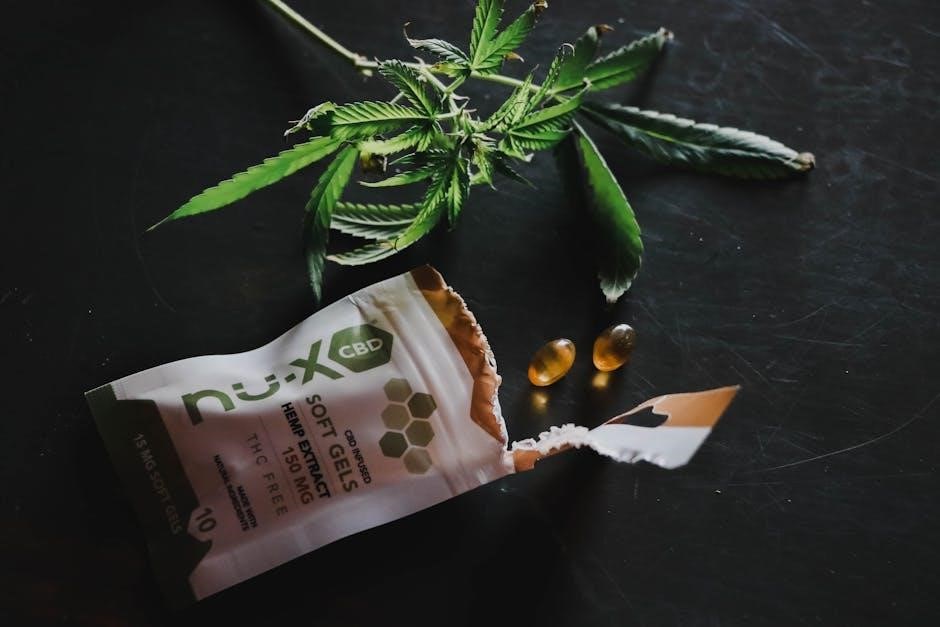
Ensuring compatibility between your chosen capsule size and your capsule filling equipment is crucial for efficient and accurate production. Most capsule filling machinery is designed to accommodate a range of standard sizes – 000, 00, 0, 1, 2, 3, 4, and 5 – but specific capabilities vary between models.
Before committing to a particular capsule size, verify that your equipment can reliably handle it. Factors to consider include capsule length, diameter, and locking mechanisms. Some machines may require change parts or adjustments when switching between significantly different sizes. Improperly sized capsules can cause jams, inaccurate fills, or damage to the equipment. A thorough assessment of your machinery’s specifications will prevent costly downtime and ensure smooth operation.
Gelatin vs. Vegetarian/HPMC Capsule Sizes
Fortunately, the numerical sizing system remains consistent between traditional gelatin capsules and vegetarian or Hypromellose (HPMC) alternatives. This means a size ‘00’ capsule, regardless of its composition – whether it’s derived from bovine gelatin or a plant-based HPMC material – will have essentially the same dimensions and filling capacity.
This standardization simplifies the process for manufacturers who may switch between capsule types to cater to different dietary preferences or formulation requirements. No adjustments to filling equipment are typically needed when transitioning between gelatin and vegetarian capsules of the same size. However, subtle differences in material properties might necessitate minor adjustments to filling parameters to optimize performance and ensure consistent fill weights.
Torpac Capsule Specifications and Sizes
Torpac, a prominent capsule manufacturer, provides detailed physical specifications for their empty hard gelatin capsules, crucial for ensuring compatibility with filling equipment and accurate dosage delivery. Key parameters include outer diameter, locked length (height), and actual volume, all varying by capsule size.
For instance, size 00 capsules from Torpac typically have an outer diameter ranging from 8.49 to 8.61 mm and a locked length of 8.16 to 8.28 mm, offering an approximate volume of 1.37 ml. Size 0E capsules measure 7.61-7.73 mm in diameter and 7.30-7.42 mm in length. Size 0 capsules have a diameter of 7.60-7.72 mm and a length of 7.28-7.40 mm. These precise measurements are vital for optimizing encapsulation processes and achieving consistent product quality.
Franc et al. (2022) Research on Capsule Dimensions (Size 3 Example)
Recent research conducted by Franc et al. (2022) provides valuable insights into the precise dimensional characteristics of hard gelatin capsules. Their study focused on detailed measurements, contributing to a more comprehensive understanding of capsule geometry and its impact on filling processes and drug delivery.
Specifically, the research team analyzed size 3 capsules, finding that a typical shell exhibits a capsule length of 15.9 mm. The body diameter was measured at 13.6 mm, while the cap diameter registered at 8.1 mm. These findings underscore the importance of precise dimensional control in capsule manufacturing. Accurate measurements are essential for ensuring proper sealing, consistent fill weights, and optimal performance of capsule-based pharmaceutical products. This data supports quality control and process optimization.
Finding the Right Capsule Size for Your Needs: A Summary
Selecting the appropriate gelatin capsule size is crucial for successful encapsulation, directly impacting dosage accuracy and manufacturing efficiency. Consider the density of your powder; denser materials require larger capsules. Desired dosage strength is paramount – calculate the volume needed and match it to a suitable size, referencing capacity charts for milligrams (mg) and milliliters (ml).
Compatibility with your capsule filling equipment is also vital. Ensure the chosen size aligns with the machine’s capabilities. Standard sizes range from 000 (largest, ~1000mg) to 5 (smallest, ~28mg). Remember that 00 capsules hold approximately 735mg, while size 0 accommodates around 500mg. Careful consideration of these factors will streamline your process and guarantee optimal product quality.